Start a stronger path into nursing school.
Find your first certificate, see the programs it leads to, and compare the schools that offer them.
Explore programs and admission requirements at

Discover why 20,000+ students start here.
 Created by TransitionU
See the whole path
Every step from first certificate to degree, so you always know what comes next.



Find the school that fits
Every school on your path, with the campus, the location and the programs it offers.

Never miss a deadline
Verified application deadlines, tuition, and pass rates for programs at 2,500+ schools.
Start with a certificate. End with a degree.
Every path shows the certificate you start with, the experience you build, and the degree you finish with.
CNA to ADN (Registered Nurse)
Dental Assistant to Dental Hygienist
CNA to Respiratory Therapist
Compare programs before you apply
Tuition, pass rates, and application deadlines, side by side.
Abraham Baldwin Agricultural College
Tifton, Georgia
ADNAssociate Degree in Nursing
- Tuition
- $3,195
- Licensure pass rate (2024)
- 97.6%
Adams State University
Alamosa, Colorado
BSNBachelor of Science in Nursing
- Tuition
- $9,776
- Accreditor
- CCNE
Abilene Christian University
Abilene, Texas
BSNBachelor of Science in Nursing
- Tuition
- $42,240
- Licensure pass rate (2025)
- 97.2%

Adelphi University
Garden City, New York
BSNBachelor of Science in Nursing
- Tuition
- $47,290
- Licensure pass rate (2025)
- 86.3%
Find the school that fits
Nursing and allied health schools across 2,500+ campuses, with the programs they offer.


Abcott Institute
Southfield, Michigan
1 program available

Abilene Christian University
Abilene, Texas
1 program available

Abilene Christian University-Undergraduate Online
Addison, Texas
1 program available
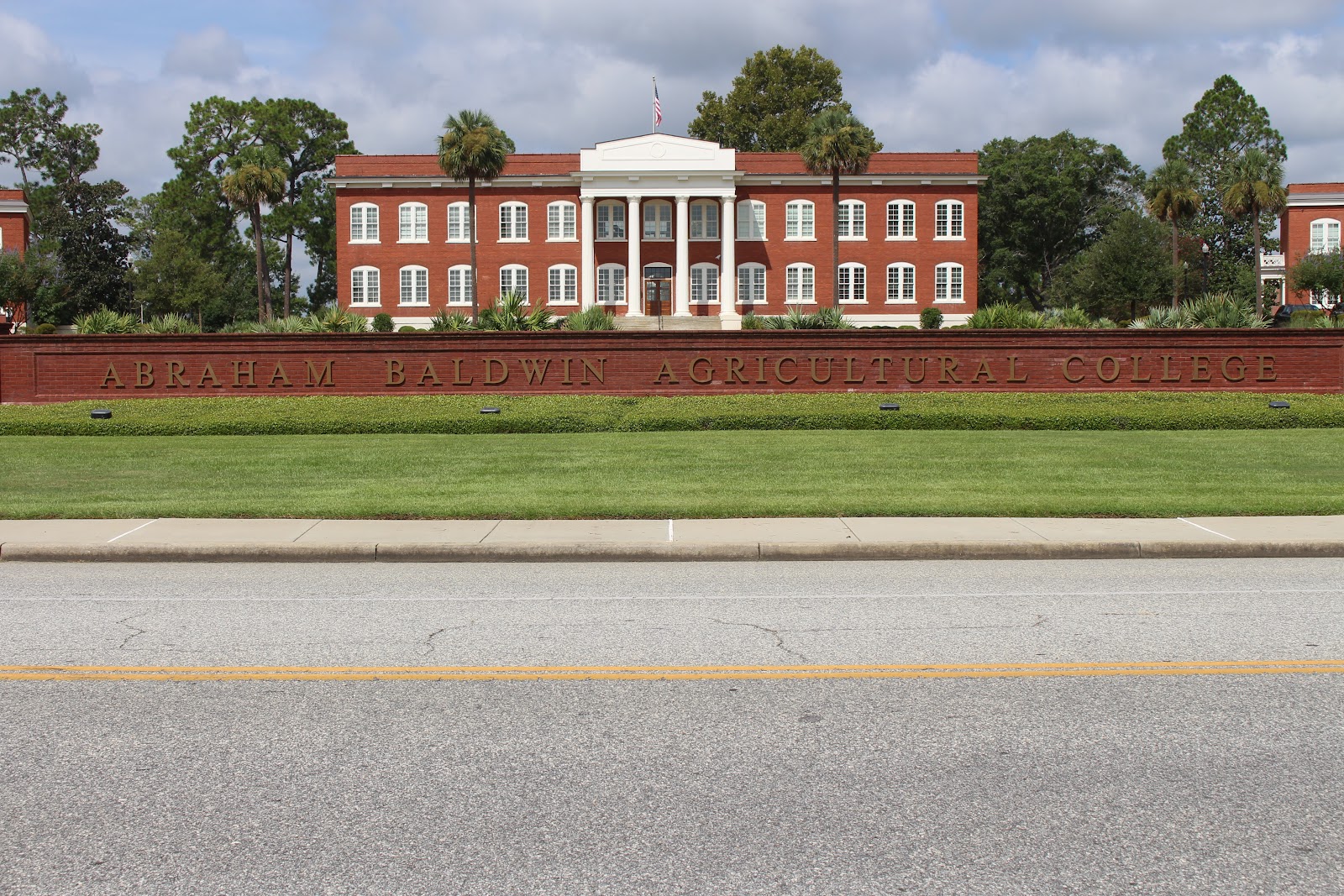
Abraham Baldwin Agricultural College
Tifton, Georgia
2 programs available
Questions, answered.
What if I don’t know where to start?
Start with a career that interests you. Explore one path, look at the steps involved, and take it from there. You don’t need a complete plan today.
What is a path?
A path is the route from one credential to the next, like nursing assistant to registered nurse. It shows the steps, how long each takes, and the programs and schools that offer them.
Is this just for nursing students?
No. Explore nursing, dental hygiene, sonography, and other healthcare fields. You can compare options whether you already have a goal or are still finding what interests you.
Do I need a certification to get started?
You can start exploring now. A certification may be one step on your path, but what you need depends on your goal and the program you choose. Check the requirements before enrolling in any training.
Does following a path mean I’ll get in?
No two applications are the same. A path shows you what to prepare and which questions to ask, but each school sets its own requirements and makes its own admission decisions.
Is TransitionU free to use?
Yes. You can explore paths, programs, and schools for free. Schools and training providers set their own tuition and fees, so check those before you enroll.